Advantages and Disadvantages of Internet: 10 Major Pros and Cons in Daily Life
Published: 2 May 2026
The internet has become one of the most important technologies in modern life. It allows people to communicate, learn, work, shop, and access information from almost anywhere in the world.
Today, billions of people use the internet daily for education, entertainment, business, social networking, and online services. From students attending virtual classes to businesses reaching global customers, the internet has transformed how people connect and share information.
However, despite its many benefits, the internet also has some drawbacks. Issues such as cybercrime, privacy concerns, misinformation, and internet addiction have become increasingly common in the digital age.
In this guide, you will learn the 10 advantages and disadvantages of the internet, how it affects daily life, and why understanding both its benefits and risks is important for responsible internet usage.
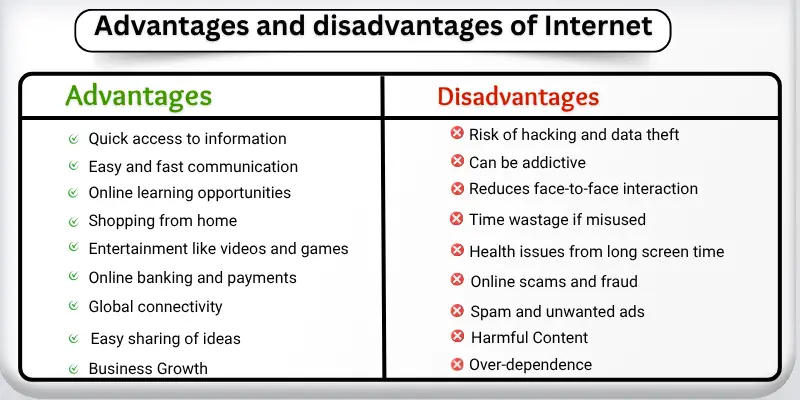
Alright, let’s get into the main topic and understand the pros and cons of the internet.
10 Advantages of Internet
The internet has become an essential part of modern life. It helps people study, work, communicate, and manage daily tasks more easily. In 2026, with digital tools and AI-based systems, the internet has made life even faster and more connected.
Here are the 10 major advantages of internet that make it so useful in daily life:
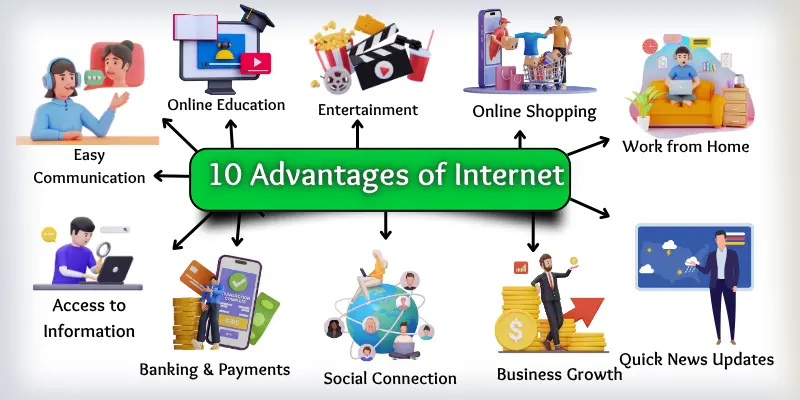
- Easy Communication
- Access to Information
- Online Education
- Entertainment
- Online Shopping
- Work from Home
- Banking & Payments
- Social Connection
- Quick News Updates
- Business Growth
Let’s explore the benefits of internet in detail
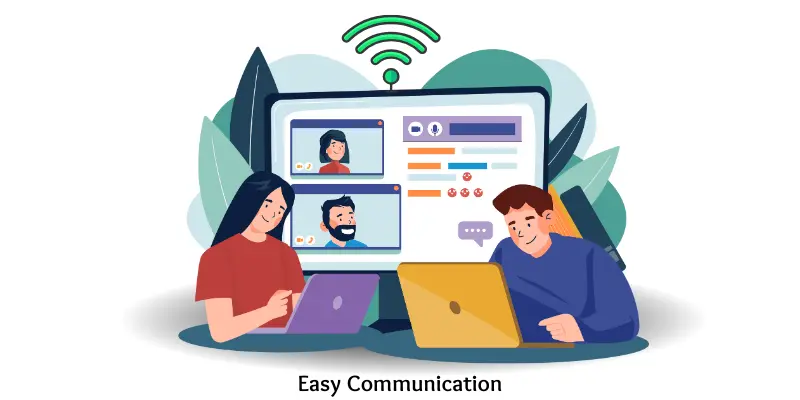
1. Easy Communication
The internet has made communication fast, simple, and global. People can connect instantly with anyone in the world using online apps and tools. It helps families, friends, and businesses stay connected without delay.
Here are common benefits of internet communication:
- Instant messaging through apps
- Video and voice calls worldwide
- Fast sharing of files and documents
- Group chats for work and study
- Global connectivity without delay
In short, the internet has made communication fast and borderless through tools like WhatsApp and Zoom.
2. Access to Information
The internet is a huge source of knowledge where users can find answers to almost any question in seconds. It supports students, professionals, and general users in daily learning.
Here are common benefits:
- Quick answers to any topic
- Educational content
- Research materials
- Latest news updates
- Easy access to knowledge
In short, platforms like Google and Wikipedia make information easily available at any time.
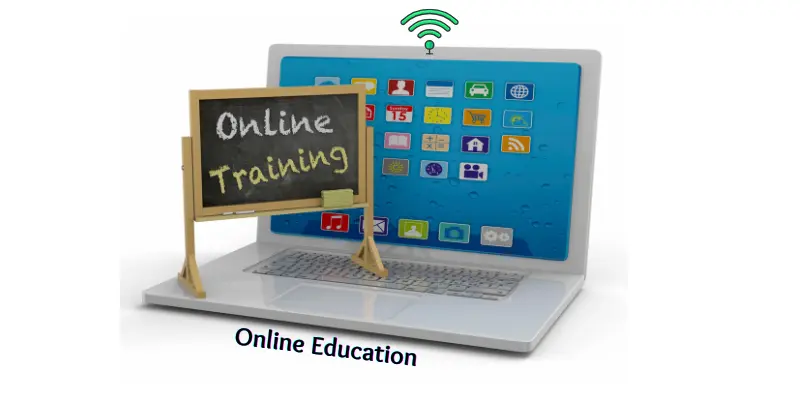
3. Online Education
The internet has changed education by making learning flexible and accessible for everyone. Students can study from home and learn new skills at their own pace.
Here are common benefits:
- Online classes
- Digital courses
- Skill learning platforms
- Study from anywhere
- Self-paced learning
In short, the internet has made education more flexible through platforms like Coursera and Khan Academy.
4. Entertainment
The internet provides endless entertainment options for users of all ages. People can enjoy content anytime they want.
Here are common entertainment options online:
- Movies and TV streaming
- Music and podcasts
- Online gaming
- Social media content
- Digital videos and reels
In short, the internet has made entertainment easy and endless through Netflix, YouTube etc.
5. Online Shopping
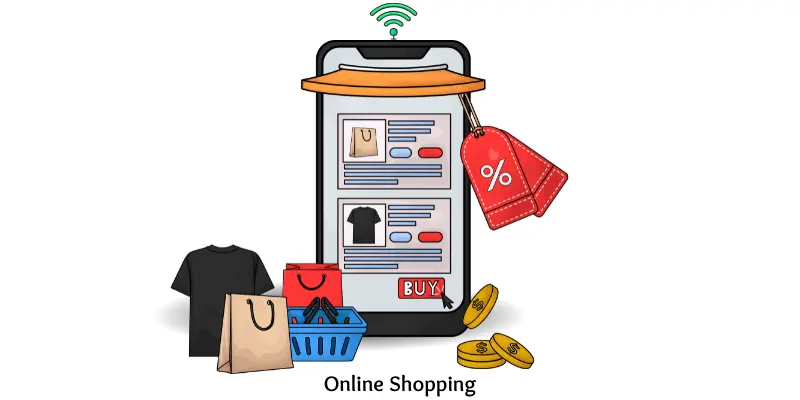
The internet lets us buy things from home. We can choose clothes, books, or food. It saves time and energy. We get products at our doorstep.
Here are common benefits of online shopping:
- Wide range of products
- Easy price comparison
- Home delivery service
- Secure payment options
- Time-saving process
In short, the internet has made shopping convenient through platforms like Amazon and Daraz.
6. Work from Home
The internet allows people to work remotely from anywhere in the world. It has created new job opportunities and flexible working styles.
Here are common benefits of remote work:
- Online meetings and collaboration
- Flexible working hours
- Global job opportunities
- Task management tools
- No travel required
IIn short, the internet has made remote work possible through tools like Zoom and Slack.
7. Banking & Payments
The internet makes banking easy. We can send and receive money online. We can pay bills without going to the bank. It is fast and safe if we use trusted apps.
Here are common benefits of online banking:
- Instant money transfers
- Online bill payments
- Mobile banking apps
- Secure transactions
- 24/7 access to accounts
In short, the internet has made banking easy through apps like Easypaisa and JazzCash.
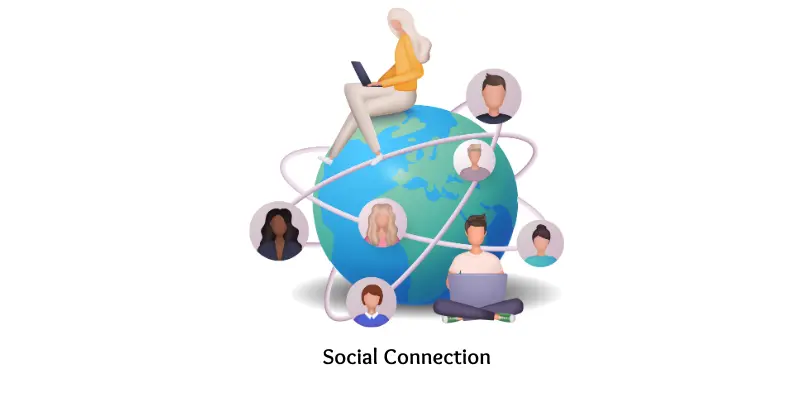
8. Social Connection
The internet helps us stay connected with people. We can share photos and stories. We can join groups and meet new friends. It makes the world feel smaller.
Here are common ways of social connection online:
- Social media platforms
- Sharing photos and updates
- Connecting with friends worldwide
- Online communities
- Real-time interaction
In short, the internet has made social interaction global through Instagram and Facebook.
9. Quick News Updates
The internet gives us news in seconds. We can read about events from anywhere in the world. We can watch live updates. It is faster than newspapers.
Here are common sources of online news:
- News websites and apps
- Live updates and alerts
- Global and local coverage
- Social media news feeds
- Fast information sharing
In short, the internet has made news faster through platforms like BBC News and Geo News.
10. Business Growth
The internet helps businesses grow fast. They can sell products online. They can reach customers in other cities or countries. It costs less than opening many shops.
Here are common benefits for businesses:
- Online marketing and ads
- Global customer reach
- E-commerce platforms
- Freelancing opportunities
- Low-cost business expansion
In short, the internet has made business expansion easier through platforms like Fiverr and Shopify.
10 Disadvantages of the Internet
The internet is a powerful tool, but it also comes with several risks. While it makes life easier, it can also create serious problems if not used carefully. In 2026, with AI tools and advanced digital platforms, these risks have become more noticeable than ever.
Here are the 10 major disadvantages of the internet that users should understand:
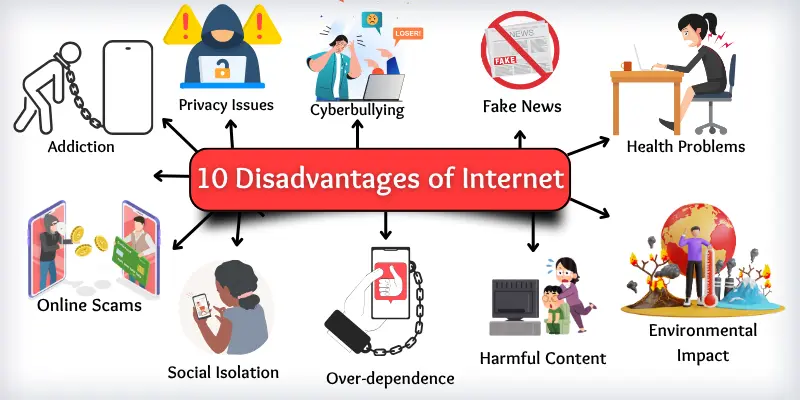
- Addiction
- Privacy Issues
- Cyberbullying
- Fake News
- Health Problems
- Online Scams
- Social Isolation
- Over-dependence
- Harmful Content
- Environmental Impact
Let’s explore the drawback of internet in detail
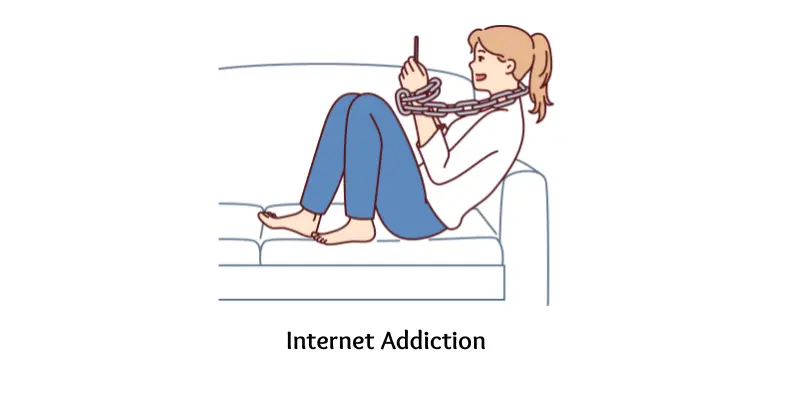
1. Addiction
The internet can make people spend too much time online. They forget to study or play outside. It can harm health athe nd mind.
Here are some common effects of internet addiction:
- Excessive use of social media and apps
- Long hours of gaming and streaming
- Reduced focus on studies or work
- Poor time management
- Less real-life interaction
In short, internet addiction can disturb a healthy lifestyle and daily routine.
2. Privacy Issues
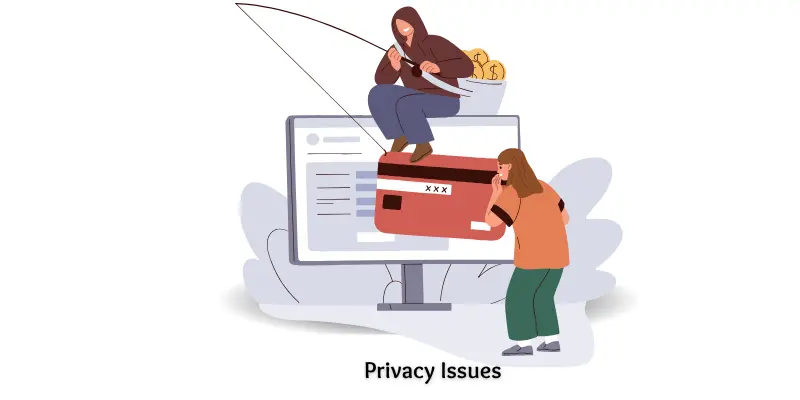
The internet can put our personal data at risk. Hackers can steal information. Strangers can see what we share online. This can be dangerous.
Here are common privacy risks online:
- Data hacking and theft
- Phishing emails and fake websites
- Online activity tracking
- Identity misuse
- Security breaches
In short, privacy risks make internet use unsafe without proper protection.
3. Cyberbullying
The internet can be used to hurt others. Some people send mean messages. Others post bad pictures or lies. It can make people feel sad and scared.
Here are common forms of cyberbullying:
- Rude comments on social media
- Online threats and harassment
- Fake accounts for bullying
- Spreading rumors
- Toxic gaming behavior
In short, cyberbullying can negatively affect emotional well-being.
4. Fake News
The internet can spread wrong information. People may believe it without checking. It can cause fear or confusion.
Here are common sources of fake news:
- Unverified social media posts
- Clickbait websites
- AI-generated fake content
- Forwarded messages without facts
- Misleading news articles
In short, fake news can spread confusion and false beliefs.
5. Health Problems
Spending long hours on the internet can harm our health. It can hurt our eyes and body. It can also affect our sleep.
Here are common health problems caused by internet use:
- Eye strain and vision issues
- Back and neck pain
- Headaches and fatigue
- Sleep problems
- Reduced physical activity
In short, excessive internet use can harm overall health.
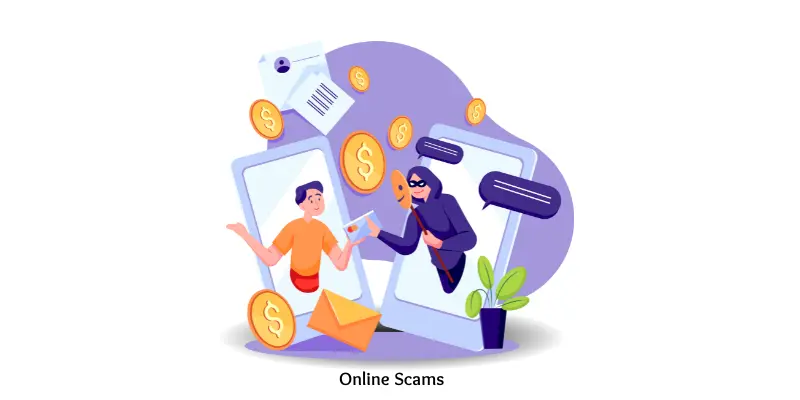
6. Online Scams
The internet is full of fake offers and scams. Scammers trick people into giving them their money or data. They pretend to be real. These scams are becoming more advanced in 2026.
Here are common types of online scams:
- Fake shopping websites
- Lottery and prize scams
- Phishing links and emails
- Fake job offers
- Fraud payment requests
In short, online scams can cause financial loss and security risks.
7. Social Isolation
The internet can make people spend less time with family and friends. They may choose to stay online rather than meet in person. It can make people feel lonely.
Here are common causes of social isolation:
- Too much social media use
- Online gaming addiction
- Less family interaction
- Avoiding real-life meetings
- Excessive screen time
In short, internet overuse can weaken real-world relationships.
8. Over-dependence
The internet can make people dependent on it for everything. They may not try to think or solve problems on their own. It can make skills weaker.
Here are common examples of over-dependence:
- Overuse of search engines
- Dependence on GPS/maps
- Relying on AI tools for everything
- Spell-check dependency
- Lack of self-thinking practice
In short, over-dependence on the internet can weaken mental skills.
9. Harmful Content
The internet has some content that is not good for children or teenagers. It can show violence or other bad things. It can affect thoughts and behaviour.
Here are common types of harmful content:
- Violent or disturbing videos
- Inappropriate websites
- Hate speech content
- Dangerous online challenges
- Misleading advice
In short, harmful content can negatively affect mental growth.
10. Environmental Impact
The internet uses a lot of electricity. Data centers run all day and night. It makes more carbon in the air. It can harm nature.
Here are common causes of environmental impact:
- High energy-consuming data centers
- Continuous streaming and cloud usage
- Large-scale server systems
- Increased carbon emissions
- Electronic waste from devices
In short, internet infrastructure contributes to environmental pressure.
Internet Safety Considerations
While the internet offers many benefits, users should remain aware of online threats such as phishing scams, malware, identity theft, and data breaches.
Following safe browsing practices can help protect personal information and reduce online security risks.
Related Reading: 25 Internet Safety Tips
Tips to Balance Internet Usage
Using the internet responsibly is important for maintaining productivity and well-being.
- Set daily screen time limits
- Take regular breaks from devices
- Avoid excessive social media use
- Spend time on offline activities
- Verify information before sharing it online
- Focus on educational and productive content
Following healthy internet habits can improve productivity, reduce digital stress, and create a better balance between online and offline life.
Conclusion
At the end of this detailed guide, I hope you have understood the major advantages and disadvantages of the internet and how it affects our daily lives.
The internet has made communication faster, learning more accessible, and business opportunities available to people around the world. At the same time, it also comes with challenges such as privacy risks, cybercrime, misinformation, and internet addiction.
In my opinion, the internet is one of the most powerful tools ever created, but its value depends on how we use it. When used responsibly, it can improve education, productivity, and overall quality of life. However, careless usage can lead to security risks and unhealthy digital habits.
The key is to enjoy the benefits of the internet while staying informed, practicing safe browsing habits, and maintaining a healthy balance between online and offline activities..
FAQS about the Pros and Cons of the Internet
Here are some queries about the advantages and disadvantage about internet
The internet enables us to communicate, find information, and complete daily tasks more efficiently. Many services, such as online banking, shopping, and learning, depend on it. Without the internet, life would be slower and less connected.
It allows instant communication, easy access to information, and online learning. You can also shop, watch videos, and share your ideas. It saves time and connects you to the world.
It can be addictive and reduce face‑to‑face interactions. Some information online is false or unsafe. There is also a risk of hacking and privacy loss.
Do not share personal information with strangers. Visit only trusted websites. Use strong passwords and update your devices regularly.
Yes, there are many free and paid courses online. You can watch videos, join classes, and read guides to improve your skills. The internet makes learning possible from anywhere
Close the website or app immediately. Tell a parent, teacher, or trusted adult. Report harmful content so others can stay safe too.
Search for educational websites and watch learning videos. Join online classes and use digital libraries for research. Take notes while studying to remember more.
Plan offline activities, such as reading, sports, or spending time with friends and family. Keep devices away when it’s time to sleep or study. Take regular breaks from screens.
Use parental control settings on devices. Teach children not to talk to strangers online. Monitor the websites and apps they use.
Look for sites that use “https” in the address. Check if they are run by well‑known companies or organizations. Read reviews from other users

- Be Respectful
- Stay Relevant
- Stay Positive
- True Feedback
- Encourage Discussion
- Avoid Spamming
- No Fake News
- Don't Copy-Paste
- No Personal Attacks
- Be Respectful
- Stay Relevant
- Stay Positive
- True Feedback
- Encourage Discussion
- Avoid Spamming
- No Fake News
- Don't Copy-Paste
- No Personal Attacks
