From Traditional Art to Digital Innovation: How Visual Design Is Redefining the Design World
Published: 12 Feb 2026
Visual design remains one of the most dynamic and fastest, growing sectors in today’s digital economy. Traditional artistic methods have been transformed into advanced digital disciplines, thus opening up a wide range of possibilities to the professionals who possess these crucial skills.
The gradual shift from using brushes and paints to programming has been more than just a change of tool sit reflects the upcoming mode of operation for the creative industries. Today, visual designers are the perfect mix of artist and technician with which they address challenging situations in various fields.
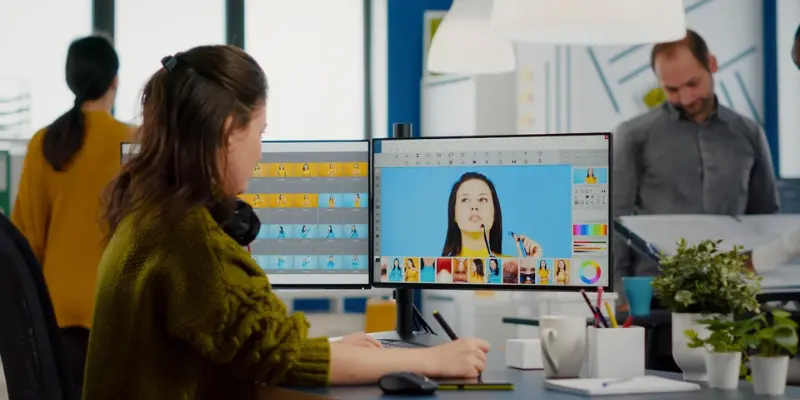
This powerful combination enables designers to:
- Build interactive experiences that engage millions of users daily
- Create digital products that generate substantial business value
- Design solutions for emerging technologies like AR, VR, and AI interfaces
- Develop visual systems that work seamlessly across global markets
In modern times, the design field requires individuals who know both the creative side and the technical implementation part. Programs such as Figma, Sketch, and Adobe XD are now the norm for professional design work, helping in quick prototyping and collaborative development processes. For those looking to build strong expertise, enrolling in a ui ux design course can provide structured learning and hands-on experience with these tools. Digital fashion, along with other emerging fields, demonstrates how knowledge of visual design can be applied even outside traditional sectors.
The article at hand is about the visual design evolution to a critical skill in the digital era, what are the professional tools that define the industry standards and how specialists are pushing the creative boundaries in new exciting directions.
Professional Design Evolution: From Manual Craft to Digital Mastery
Graphic design is one of the creative industries whose work has been most exquisitely changed by the evolution of the professional mode in modern times. In the days when graphic design was in its infancy, it involved processes that were completely manual drawing the layouts by hand, giving instructions to the typesetter, and using physical assembly boards for reproduction.
The mid-1990s completed this transition from drafting tables to digital workstations, opening entirely new creative territories:
- Digital transparency and layering capabilities that were impossible with traditional methods
- Direct typographic control, placing sophisticated typesetting power in designers’ hands
- Interactive design possibilities that merged static visual principles with dynamic user experiences
Visual designers in the modern era incorporate this rich digital legacy in their work. The scope of today’s visual design environment has greatly broadened, including not only static images but also motion graphics, animations, and intricate interactive systems, thereby dramatically altering our methods of handling visual communication problems.
Such progress significantly opens the doors for experts that have a comprehensive understanding of the past and the nowadays technical features. The sector, on the other hand, is still growing by venturing into new territories of AI, based design applications, virtual experiences, and multidevice display systems.
Professional-Grade Tools That Define Industry Standards
Nowadays, advanced digital platforms give the baseline for top, notch design work. Top professionals in the field use highly complex software packages that not only allow them to quickly come up with ideas but also accurately implement them and work in teams all over the world without any hassle.
Virtual prototyping capabilities permit experts to create parametric models as well as perform simulations of the whole system, without the need for a physical prototype. This approach dramatically reduces the development cycles and at the same time allows a thorough exploration of design options prior to production approval.
Generative design by AI
Generative design systems powered by artificial intelligence generate multiple solution sets based on specific parameters and constraints. Professional-grade AI tools evaluate complex variables including:
- Material specifications and manufacturing parameters
- Performance requirements and technical constraints
- Design objectives and aesthetic criteria
- Cost optimisation and production timelines
Collaborative spaces such as Figma automatically set new standards for how productive teams can be and these include real, time editing features, multiple user workflows, and accessibility via cloud. By using browser, native architecture the geographically separated teams can keep up with the pace of the project without getting slowed down by location issues.
Three-dimensional modelling has become fundamental to professional practice, delivering photorealistic visualisation, functional testing protocols, and simulation capabilities that validate designs before physical implementation.
Digital Fashion: Where Technology Meets Creative Expression
Digital fashion is a great illustration of how a visual design skill can lead to the creation of totally new markets. For instance, fashion brands such as Balenciaga and Gucci offer virtual outfits that have no physical existencethey are the clothes you can put on your avatars in games, in social media, or virtual reality without any physical counterparts.
This emerging field demonstrates the practical power of advanced visual design skills. Digital fashion designers combine 3D modelling expertise with traditional fashion principles to create products that challenge conventional industry boundaries. Key innovations include:
- Virtual try-on experiences that eliminate sizing and fit uncertainties
- Augmented reality applications for social media and gaming platforms
- Sustainable design practices that produce zero physical waste
- Customisation possibilities impossible with traditional manufacturing
The identical 3D modelling and user experience principles are at the core of product visualization, architectural rendering, and interactive media design. Experts who proficiently handle these skills essentially place themselves in the middle of several fast, growing sectors.
This discipline is a perfect example of how knowledge in visual design does not merely stay within creative roles but becomes a strategic business capability that unlocks brand new market avenues.
The Future of Visual Design Expertise
One of the professional skills with the highest value in the contemporary digital economy is visual design expertise. As the industry transitions from classic to digital artistic methods, there is an increasing demand for individuals who not only have a deep understanding of creative concepts but also know how to implement them technologically. For designers looking to strengthen their practical skills and gain industry-ready experience, enrolling in a ui ux design course can provide structured training, hands-on projects, and exposure to the latest design tools and methodologies.
Professional visual design skills still provide a few of the biggest competitive advantages today. Experts who are capable of the powerful combination of modern design and digital skills are opening doors to high, growth industries, opportunities for remote collaborative work, and creative projects that challenge the status quo.
Conclusion
The discipline highly values those professionals who not only come up with innovative solutions through visual communication but also know what makes users tick and align it with the business objectives.
Digital fashion has been a great example of how experts in visual design can generate entirely new industries and career paths. It is a new field that basically shows that people with good strong foundational skills can creatively apply those skills when technology moves forward. The more traditional industries nowadays take digital, first approaches the more such flexibility is valuable.
Learn the fundamentals of visual design thoroughly and you will be the one tying together the ways in which businesses will engage with their audiences in the future.

- Be Respectful
- Stay Relevant
- Stay Positive
- True Feedback
- Encourage Discussion
- Avoid Spamming
- No Fake News
- Don't Copy-Paste
- No Personal Attacks
- Be Respectful
- Stay Relevant
- Stay Positive
- True Feedback
- Encourage Discussion
- Avoid Spamming
- No Fake News
- Don't Copy-Paste
- No Personal Attacks
